a.) The disaster I chose to learn more about is wildfires. Growing up in Southern California, I did not experience snow days; rather, I experienced smoke days. I remember in middle school I did not have to go to school because the smoke in the air from a nearby wildfire was too hazardous. This is an increasing problem as more and more communities have a wildland-urban interface, increasing the odds of smoke exposure. It has been noted that smoke from a wildfire can extend up to 1,000 miles. In addition to wildfires, prescribed fires are also a source for hazardous smoke exposure. Prescribed fires are commonly used to preclude out-of-control wildfires. Over the past decade, U.S agencies burn an average of 2.2 million acres each year.
Smoke from wildfire emit a number of particulate matter, nitrogen oxides, trace minerals, polycyclic aromatic hydrocarbons, carbon monoxide, and carbon dioxide. The adverse health effects of smoke exposure are eye irritation, fatigue, headaches, dizziness and stress. Notable populations that are most vulnerable to smoke are children, the elderly, pregnant women, and individuals with chronic respiratory conditions.
Despite the known adverse effects of smoke exposure, there is limited data of the health effects of smoke exposure due to the fact that fires are often short lived. Public health officials require more information to fully understand the mechanism of which smoke exposure cause detrimental health effects.
b.) In Temecula, the city offers CERT (Community Emergency Response Teams) training for those willing to commit 20 hours of training. The training is cost-free. It is designed to teach citizens to provide basic medical aid, search for and rescue victims safely and organize themselves to help mitigate disasters. Those who successfully complete the practical exercise with training in fire suppression, search and rescue, cribbing, and triage receive a certificate of completion.
Sunday, April 30, 2017

Thursday, April 27, 2017
M10.1 Occupational Health and Safety
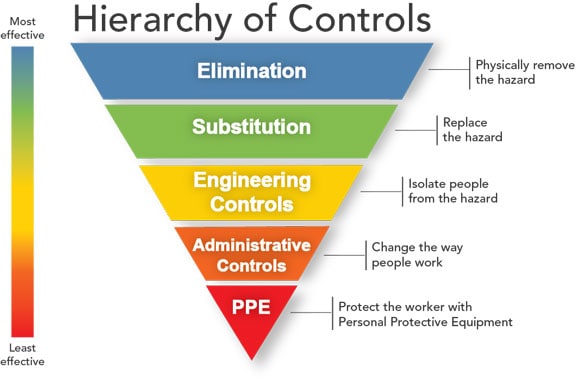
The workplace I chose to focus on is my cousin who manages his parents vineyard and his own organic farm out in the local wine country. He is exposed to a number of ergonomic issues as well as chemical issues. I met up with my cousin a week ago and asked him how his day was. He said he was managing his parents grapes and just finished spraying pesticides.
Considering the industrial hierarchy of controls, elimination of the use of arsenic would be the most effective method; however, it is not likely considering the damage pest can have on their products. With that said, the most feasible method to with my cousins arsenic exposure would be to either substitute the chemical with a less dangerous chemical or to invest in a PPE, specifically a haz mat suit.
2) What might be the barriers to workers exercising their rights to a healthy and safe workplace?
There are a number of barrier that would deter workers from exercising their right to a healthy and safe work environment. In certain sectors, such as agriculture, workers may be worried about their immigration status. For the most part the biggest and most common barrier is reprisals and/or being fired. Depending on the health issue claim and the repercussions that arise, employers may retaliate which may cost the employee his or her job.
Tuesday, April 18, 2017
M12.9 Climate Change
1) What do you personally find most troubling about climate change?
After learning about climate change throughout this module, I find that food waste and trash are the most troubling issues contributing to climate change. The fact that 40% of fresh food will end up in landfills is upsetting, especially when there are individuals in this country that struggle to put food on the table. These foods and trash end up in landfills to decompose and emit gross amounts of methane in the atmosphere. In addition to the methane, the carbon foot print that it takes to produce the 40% of food waste also seems like an unnecessary waste of resources.
2) As a public health professional, what do you think needs the greatest attention right now?
Besides our reliance on fossil fuels, I believe that food waste needs our greatest attention right now because eliminating food waste seems like an attainable goal for individuals. With a national effort to shop local and produce their own foods, our reliance on mass production of food will decrease and, in turn, food waste will decrease as well. As a public health professional, I would strive to have a national health campaign to disseminate the benefits of shopping local and organic; and partner with small scale farmers to teach backyard farming techniques. This effort would ensure a decrease in our individual demands on foods with a large carbon foot print.
3) If you were visiting with a long-lost relative who had never heard about climate change, how would you describe it and its attendant human health and ecological threats?
If I were to explain climate change to a long lost relative, I would keep it simple. I would explain to him/her that there is a global change in climate due to the amount of greenhouse gases that are emitted into the atmosphere. I would explain that these greenhouse gases create a blanket in our atmosphere that capture heat on our planet, resulting in extreme changes in climate. I then would explain that these man-induced changes to our environment are not natural and force untoward changes in our environment that affect many ecological regions and behaviors.
After learning about climate change throughout this module, I find that food waste and trash are the most troubling issues contributing to climate change. The fact that 40% of fresh food will end up in landfills is upsetting, especially when there are individuals in this country that struggle to put food on the table. These foods and trash end up in landfills to decompose and emit gross amounts of methane in the atmosphere. In addition to the methane, the carbon foot print that it takes to produce the 40% of food waste also seems like an unnecessary waste of resources.
2) As a public health professional, what do you think needs the greatest attention right now?
Besides our reliance on fossil fuels, I believe that food waste needs our greatest attention right now because eliminating food waste seems like an attainable goal for individuals. With a national effort to shop local and produce their own foods, our reliance on mass production of food will decrease and, in turn, food waste will decrease as well. As a public health professional, I would strive to have a national health campaign to disseminate the benefits of shopping local and organic; and partner with small scale farmers to teach backyard farming techniques. This effort would ensure a decrease in our individual demands on foods with a large carbon foot print.
3) If you were visiting with a long-lost relative who had never heard about climate change, how would you describe it and its attendant human health and ecological threats?
If I were to explain climate change to a long lost relative, I would keep it simple. I would explain to him/her that there is a global change in climate due to the amount of greenhouse gases that are emitted into the atmosphere. I would explain that these greenhouse gases create a blanket in our atmosphere that capture heat on our planet, resulting in extreme changes in climate. I then would explain that these man-induced changes to our environment are not natural and force untoward changes in our environment that affect many ecological regions and behaviors.
Monday, April 10, 2017
M11.5 Zero Waste Life
After watching the Zero Waste video, I noticed how many of the things I use every day that add up to waste. My food packaging and the products I use can all be substituted with farmers market foods and products I can somehow learn to make myself - if she can do it, why not anyone else? I started taking mental notes of things I can change. I could start to bring my own jars and bags to purchase groceries in bulk, and I could sacrifice the products that were unnecessary that I didn't know how to make. Also, if I needed a new TV or table for example, I could go to a second-hand store to purchase these items, thus saving money and preventing those items from being wasted. All in all, it was a very informative and thought-provoking video.
Monday, April 3, 2017
M10.2 MSDS and ToxNet
As a clinical research coordinator, I deal with subject that require regular blood draws. For this reason, the Material Safety Data Sheet I chose is for the product below:
Were there any discrepancies regarding the potential health effects noted in the MSDS?
After searching EDTA in HSDB on the TOXNET website, I noticed there were no discrepancies between what was on the MSDS and website.
https://toxnet.nlm.nih.gov/cgi-bin/sis/search2/f?./temp/~XN54fj:1
BD Vacutainer Brand Tube with Dispotassium EDTA. This is a blood collection tube with Dispotassium EDTA inside.
What are the health risks associated with this chemical?
As stated in the MSDS, this product may cause eye and skin irritation. Inhalation causes respiratory tract irritation. Ingestion causes gastrointestinal irritation and nausea, vomiting and diarrhea.
Is the chemical a carcinogen?
The chemical is not listed as a carcinogenic.
What personal protective equipment or special precautions should be taken when working with this chemical?
After inhalation: move the exposed person to fresh air.
After skin contact: immediately flush skin with plenty of soap and water for at least 15 minutes.
After eye contact: immediately flush with plenty of water for at least 15 minutes.
After swallowing: immediately give large amounts of water. Get medical attention.
Information for doctor: show this label (MSDS).
If this is a chemical found in your workplace, what training/education were you given about any risks associated with this chemical?
This chemical is commonly found in the workplace, although sealed shut in a blood collection tube. I was trained how to properly use and dispose of the product but was not aware of the MSDS of this product.
Before learning about MSDS's, I did not know about how readily available occupational safety and health information was regarding certain products and chemicals I work with on a daily basis. I found several MSDS's in a lab manual. Most are easy to read and have all the information one would need to know if they are exposed to the chemical. I believe it is the employers duty to ensure that all employees are made aware of these documents in an effort to ensure everyone in the workplace is safe from any type of chemical exposure.
Were there any discrepancies regarding the potential health effects noted in the MSDS?
After searching EDTA in HSDB on the TOXNET website, I noticed there were no discrepancies between what was on the MSDS and website.
https://toxnet.nlm.nih.gov/cgi-bin/sis/search2/f?./temp/~XN54fj:1
M10.5 Occupational Safety and Health Organization
The National Institute for Occupational Safety and Health (NIOSH) is a research organization that is focused on studying workers safety and health, and to educate employers and workers to create safe and healthy work spaces. This agency is associated with the Center of Disease Control and Prevention within the US Department of Health and Human Services. Their mission is "to develop new knowledge in the field of occupational safety and health and to transfer that knowledge into practice," (https://www.cdc.gov/niosh/about/).
NIOSH provides a variety of occupational safety and health information for all sectors of work. They provide research-driven evidence of ways to ensure employers and workers are safe in their work space. They provide information of all occupational health topics from arsenic to the Zika Virus.
In terms of topics that relate to my work, I chose the topics bicycle saddles and reproductive health (because I commute to work often) and how to prevent violence on the job (because I work with unpredictable populations such as schizophrenics). It was interesting to learn all about the information provided. NIOSH goes into detail on every topic to ensure that employers and workers are safe and healthy on the job. I look forward to using NIOSH throughout my career and will share with website with my colleagues.
Sunday, March 26, 2017
M9.4 Heavy Metals
Lead Poisoning
-I did not know that the ancient Romans used lead as a sweetener. They used it to counteract the astringent flavor of tannic acid in grapes. I would believe that the decrease in fertility and increase in psychosis due to lead poisoning was associated to the fall of Rome.
- Childhood lead poisoning was first described in the United States in 1914 in which it was thought to have two outcomes: death of recovery without residua. It is interesting to find out that in 1943, children were found to have significant deficits following lead poisoning such as behavioral disorders and learning difficulties. This is due to the leads impact on the central nervous system.
-Another interesting point the article addresses is the cost it took to eliminate the homes with lead-based paint. Although lead-based paint was banned in 1971, 80% of homes built before 1980 contained leaded paint. The estimated cost of abatement in those homes over a 20 year period were $33.7 billion.
An environmental Health response to a Severe Outbreak of Childhood lead Poisoning in Nigeria
This short article dramatically showed the catastrophic effects of lead poisoning. More than 400 children under the age of 5 died from lead poisoning.
The only promising aspect of this article was how international agencies and NGO's were able to come together to address this preventable health issue. With the help of these organizations, the Nigerian village was able to reduce exposure, build local, state, and national capacity to respond to health crises, and ensure environmental remedies would be sustained with safer mining practices.
-I did not know that the ancient Romans used lead as a sweetener. They used it to counteract the astringent flavor of tannic acid in grapes. I would believe that the decrease in fertility and increase in psychosis due to lead poisoning was associated to the fall of Rome.
- Childhood lead poisoning was first described in the United States in 1914 in which it was thought to have two outcomes: death of recovery without residua. It is interesting to find out that in 1943, children were found to have significant deficits following lead poisoning such as behavioral disorders and learning difficulties. This is due to the leads impact on the central nervous system.
-Another interesting point the article addresses is the cost it took to eliminate the homes with lead-based paint. Although lead-based paint was banned in 1971, 80% of homes built before 1980 contained leaded paint. The estimated cost of abatement in those homes over a 20 year period were $33.7 billion.
An environmental Health response to a Severe Outbreak of Childhood lead Poisoning in Nigeria
This short article dramatically showed the catastrophic effects of lead poisoning. More than 400 children under the age of 5 died from lead poisoning.
The only promising aspect of this article was how international agencies and NGO's were able to come together to address this preventable health issue. With the help of these organizations, the Nigerian village was able to reduce exposure, build local, state, and national capacity to respond to health crises, and ensure environmental remedies would be sustained with safer mining practices.
M9.3 Green Chemistry
Green chemistry seems like a promising global initiative to reduce and eliminate hazardous waste. Before learning the information in this module, I have not learned about green chemistry. I think the principles the green chemistry abide by are going to ensure that future consumer products will be safe for humans and the environment. Ensuring that these products are synthesized in safe ways that will eliminate hazards is crucial to preventing hazardous chemicals reaching the market. Also, analyzing these chemicals in real time is an essential principle to ensure no product stays on the market place if it is deemed unsafe.
The video Digging into the Great Pacific Garbage Patch gave me insight into the how detrimental "disposable" products are to the environment. It was concerning to learn that every plastic molecule ever made is still present somewhere on earth.
After a quick google search, I learned there are a number of products that follow the green chemistry principles. For instance, there are medicine making procedures that are now using green chemistry methods that eliminate the need to metal catalysts. In addition, companies are not making biodegradable plastics. After learning about the benefits of green chemistry products, I will make it a point to be more conscientious about buying green chemistry products.
M9.2 Six Chemical Classes
Highly Fluorinated Chemicals (stain and water repellants)
Fluorochemicals have unique characteristics: oil and water repellency. They are commonly used in carpeting, upholstery, apparel, waxes, food packaging materials, non-stick cookware, and dental floss. They are resistance to breakdown in the environment under harsh conditions. These chemicals do not occur in nature. They are associated with a wide range of human health problems such as cancer, thyroid disease, developmental delays, hormone imbalances, and reduced immune response in children. Fluorochemicals have higher indoor air concentrations than outdoors. They often make their way into the environment through industrial discharge, wastewater, and being sent off to landfills. It is important to note that conventional wastewater treatments do not remove fluorochemicals.
Antimicrobials (triclosan, triclocarban, quats)
The main concerns with antimicrobials is their toxic properties and widespread exposure. They are often used as disinfectants in hospitals and are increasingly being used in home products such as hand soaps. Pharmacokinetic studies have demonstrated rapid uptake into our bloodstream. Antimicrobials have been demonstrated to be thyroid-blocking, estrogen-enhancing, and testosterone blocking. They are thought to remove "healthy" bacteria and stimulate the allergic response in children. A major environmental concern is the possible increase in resistant bacteria in the environment. One important thing to note is that there is no evidence that antimicrobials cut down on infections around the home. With that said, it is promising to note that major manufactures, such as Johnson and Johnson, have decided not to include triclosan in their products.
Flame Retardants (organohalogens and organophosphates)
These are commonly used in electronics, building insulation, polyurethane foam, and wires and cables. These were used to meet flame retardant standards but were not researched on their safety and health effects. Brominated tris flame retardants are found in clothing, specifically in baby clothing and have been demonstrated to be a possible cancer hazard. Studies have shown that flame retardants are associated with lower birth weight, impaired attention, poorer concentration, and lower IQ's. It is concerning to note that these chemicals are semi-volatile, meaning they are continuously coming out of products. After watching this lecture, I will ensure I buy furniture with a TB117-2013 label and ask for products without flame retardants.
Bisphenols & Phthalates (BPA, BPS, DPHP etc.)
These have been demonstrated to be endocrine disruptors. The endocrine system is responsible for a number of important bodily functions. It is concerning that these chemicals are all around us and have been suggested to interfere with our endocrine system and cause adverse health effects. BPA exposure occurs by leaching and inhalation. It is good to know that BPA has been banned in the US and internationally. Phthalates are also concerning because they are virtually everywhere are are detected in 97% of people. It is concerning that the US has only banned some phthalates in toys that can be placed in the mouth. Given the prevalence of these chemicals, it is almost impossible to avoid them but I will make sure to purchase BPA-free and phthalate-free products.
Organic Solvents (aliphatic, aromatic, halogenated and oxygenated hydrocarbons)
These are used to dissolve and disperse materials, cleaning and stripping, and as a mixing medium. Some common products are paints, coatings, thinners, adhesives, and printing inks. There are also oxygenated solvents which are in products like nail polishes. These are thought to have board health concerns like neurotoxicity, carcinogenicity, liver and kidney toxicity, and reproductive toxicity. These chemicals are very volatile and high in inhalation exposure.
Certain Metals (lead, mercury, chromium, cadmium, arsenic etc.)
Metals are found naturally on earth but some can bioaccumulate in humans which in turn interact with human biochemistry and cause health concerns. The metals above cause a variety of disorders in humans, from nervous system disorders, peripheral sensory issues, and skin and lung cancer.
Fluorochemicals have unique characteristics: oil and water repellency. They are commonly used in carpeting, upholstery, apparel, waxes, food packaging materials, non-stick cookware, and dental floss. They are resistance to breakdown in the environment under harsh conditions. These chemicals do not occur in nature. They are associated with a wide range of human health problems such as cancer, thyroid disease, developmental delays, hormone imbalances, and reduced immune response in children. Fluorochemicals have higher indoor air concentrations than outdoors. They often make their way into the environment through industrial discharge, wastewater, and being sent off to landfills. It is important to note that conventional wastewater treatments do not remove fluorochemicals.
Antimicrobials (triclosan, triclocarban, quats)
The main concerns with antimicrobials is their toxic properties and widespread exposure. They are often used as disinfectants in hospitals and are increasingly being used in home products such as hand soaps. Pharmacokinetic studies have demonstrated rapid uptake into our bloodstream. Antimicrobials have been demonstrated to be thyroid-blocking, estrogen-enhancing, and testosterone blocking. They are thought to remove "healthy" bacteria and stimulate the allergic response in children. A major environmental concern is the possible increase in resistant bacteria in the environment. One important thing to note is that there is no evidence that antimicrobials cut down on infections around the home. With that said, it is promising to note that major manufactures, such as Johnson and Johnson, have decided not to include triclosan in their products.
Flame Retardants (organohalogens and organophosphates)
These are commonly used in electronics, building insulation, polyurethane foam, and wires and cables. These were used to meet flame retardant standards but were not researched on their safety and health effects. Brominated tris flame retardants are found in clothing, specifically in baby clothing and have been demonstrated to be a possible cancer hazard. Studies have shown that flame retardants are associated with lower birth weight, impaired attention, poorer concentration, and lower IQ's. It is concerning to note that these chemicals are semi-volatile, meaning they are continuously coming out of products. After watching this lecture, I will ensure I buy furniture with a TB117-2013 label and ask for products without flame retardants.
Bisphenols & Phthalates (BPA, BPS, DPHP etc.)
These have been demonstrated to be endocrine disruptors. The endocrine system is responsible for a number of important bodily functions. It is concerning that these chemicals are all around us and have been suggested to interfere with our endocrine system and cause adverse health effects. BPA exposure occurs by leaching and inhalation. It is good to know that BPA has been banned in the US and internationally. Phthalates are also concerning because they are virtually everywhere are are detected in 97% of people. It is concerning that the US has only banned some phthalates in toys that can be placed in the mouth. Given the prevalence of these chemicals, it is almost impossible to avoid them but I will make sure to purchase BPA-free and phthalate-free products.
Organic Solvents (aliphatic, aromatic, halogenated and oxygenated hydrocarbons)
These are used to dissolve and disperse materials, cleaning and stripping, and as a mixing medium. Some common products are paints, coatings, thinners, adhesives, and printing inks. There are also oxygenated solvents which are in products like nail polishes. These are thought to have board health concerns like neurotoxicity, carcinogenicity, liver and kidney toxicity, and reproductive toxicity. These chemicals are very volatile and high in inhalation exposure.
Certain Metals (lead, mercury, chromium, cadmium, arsenic etc.)
Metals are found naturally on earth but some can bioaccumulate in humans which in turn interact with human biochemistry and cause health concerns. The metals above cause a variety of disorders in humans, from nervous system disorders, peripheral sensory issues, and skin and lung cancer.
Monday, March 20, 2017
M8.5 Ideal Chemical Policy
After going through the information about pesticides and persistent organic pollutants provided in the modules, I believe there is without a doubt a need for a global chemical policy reform. It is upsetting to know that huge companies such as Novartis and Baylor are fully aware of the detrimental health effects of their pesticides, yet are blatantly selling their products in countries that lack regulations. There seems to be an endless need for these pesticides. For this reason, I believe an essential element of a chemical policy reform would need to focus on consumers. Consumers need to be more educated of the hazards that are associated with the foods and products they buy. Whether its the apple they eat or the plastic bottles they use, companies need to ensure a comprehensive assessment and report needs to be readily available to the public for consumers to be fully aware of the potential health effects of exposure. Of course substitutes of chemicals and production methods need to be implemented to prevent such chemicals from entering the market, but I believe that the consumers have a vital role in ensuring that harmful chemical products are not bought and proven healthy products stay in the marketplace. This will in turn provide companies to use best practices when developing a product or growing produce.
M8.4 Chemical Policy Reform
Given the amount of information that is known about the detrimental health effects of pesticides and persistent organic pollutants, there is a definite need for chemical policy reform. This type of action not only needs to be done in the United States, but also around the world. After watching the lax use of numerous pesticides in India, I realized that a chemical policy reform is in fact a global requirement. The farmers in India are not only harming themselves and their community, but are also indirectly causing harm to those buying and wearing their cotton.
The Louisville Charter for Safer Chemicals is a "platform for creating a safe and healthy environment through innovation." Of the listed elements that are essential to a chemical policy reform, I believe we need to require safer substitutes and solutions to the current chemicals and production methods. Also, implementing and enhancing safety data collection of all the chemicals is essential to properly determining the health effects of chemicals in the marketplace. The combination of requiring substitutes and collecting safety data of chemicals seem to be essential elements for a well accepted chemical reform policy.
M8.3 Pesticides
Last night I made chicken shawarma with rice and a salad with cucumbers. The only thing that was organic was the lettuce, everything else was conventional.
Using the what's on my food website, I searched chicken thighs, rice, and cucumbers.
Poultry Thighs
According to the website, there are 8 known pesticides found in poultry. The two most prominent pesticides found in poultry thighs were piperonyl butoxide and DDE p, p. There is about a 3% chance that these pesticides are found in poultry thighs. Both are suspected to be carcinogenic and hormone disruptors. Piperonyl butoxide is found to be a bee toxin and DDE p, p is found to be a developmental/reproductive toxin.
Rice
There are 15 pesticides found in rice, 10 of which are suspected to be hormone disruptors. The two most prominent pesticides in rice are piperonyl butoxide and MGK-264. Piperonyl butoxide has a 16% chance of being found on rice whereas MGK-264 has an 8% chance. As noted above, piperonyl dioxide is suspected to be a carcinogen, hormone disruptor, and a bee toxin. MGK-264 is suspected to be a carcinogen.
Cucumbers
There are 86 pesticides found in cucumbers, most of them suspected to be hormone disruptors. The two most prominent pesticides in cucumbers are propamocarb hydrochloride and endosulfan sulfate. Propamocarb hydrochloride is detected 55% of the time and ndosulfan sulfate is found 38% of the time. At this time, there the toxicity of these two chemicals are not listed on the website.
Making the choice to completely shop organic has grown over the course of this class. There are a number of potential health benefits as well as environmental benefits to shopping organic. In terms of public health action against the use of pesticides, I believe there needs to be an increase in federal regulation and policy against the use of such poisons. In addition, incentives should be encouraged for those that choose to shop organic. Overall, more health education of the detrimental health effects of pesticides needs to be more readily available to the general public.
Monday, March 13, 2017
M7.8 Blog Topic of Interest
What agencies at the local, state, federal, and/or international level provide information, regulatory oversight, or are otherwise implicated in addressing that topic?
The topic of interest I would like to focus on for my literature review would be the effects of antidepressants have on children during the perinatal and lactation stages. The federal agency that would provide regulatory oversight of the safety and efficacy of antidepressants would be the FDA. They oversee the clinical trial process and determine whether a medication gets to market. However, I do not think the FDA has regulatory policies to determine the effects antidepressants have on children.
The topic of interest I would like to focus on for my literature review would be the effects of antidepressants have on children during the perinatal and lactation stages. The federal agency that would provide regulatory oversight of the safety and efficacy of antidepressants would be the FDA. They oversee the clinical trial process and determine whether a medication gets to market. However, I do not think the FDA has regulatory policies to determine the effects antidepressants have on children.
M7.7 Agency for Toxic Substances and Disease Registry
The ATSDR is a federal public health agency of the U.S Department of Health and Human Services. The ATSDR focuses of using the best scientific evidence to provide trusted health information to prevent harmful diseases that are from toxic substances. Some main toxic substances are aluminum, ammonia, arsenic, lead, PCBs, and TCE. These are just a few of the toxic chemicals that the agency provides information on. The agency provides newly published articles of the associated health risks of chemicals and provides data for public health professionals and educators can use to create environmental health policies.
M7.4 Local Environmental Services
The Riverside Country Department of Public Health provides a number of public health services but only a few services I would categorize as environmental health services.
Lead Poisoning Prevention
This service provides community awareness of detrimental health effects of lead and where lead is commonly found. They focus on informing the public of the dangers of exposure to lead, specifically the threat is poses to children. They also focus on educating and assisting families of eliminating the sources of lead in their homes.
The Health Equity Committee
This service is broad and addresses the number of health inequities within Riverside County and the challenges that vulnerable populations face. Within this service, they also address land use, which i've learned to be an environmental health issue that faces minority and vulnerable populations.
Riverside County also has a Department of Environmental Health. Their services focus on foods, hazardous materials, vector control, solid/liquid/medical wastes, clean ups/remediations, water/well use, and land use. They also have "Other Services" that include body art, which I found very interesting. Riverside County's Department of Environmental Health has made changes to adhere to the Safe Body Art Act and has implemented the minimum standards to body art facilities to protect the art practitioner and the clients from transmitting infectious diseases.
Friday, March 10, 2017
M6.7 Obesogens
Utilizing the first article, discuss what is locally grown and what is currently in season in your area.
Typically, conventional food products that are grown in factory farms travel approximately 1500 miles to reach the supermarkets and could take up to 14 days. In order to survive these grueling ventures, conventional fruits and vegetables are typically genetically engineered to withstand harsh traveling factors. Locally grown foods travel significantly less and are typically seasonally grown food. These fruits and vegetables are harvested in season and are defined by regional growing conditions. A local farm nearby provides the community winter greens and free range chicken. Although more expensive than conventional products, these local organic products are sure to be free of antibiotics.
Discuss your thoughts on seasonal/local foods and hospital menus.
The idea to provide seasonal farm products in hospital menus would be ideal; however, it seems as though hospitals have to provide a number of specific foods to patients depending on their restrictions, in which some patients could be restricted to some seasonal products. Providing 100% seasonal foods would not be feasible, but a hospital menu that provides the majority of locally grown foods would be beneficial to the health of the patients, the local economy, and environment.
Find a Harvest Calendar for your state (or a state you are interested in) utilizing the link in the first article (found underneath the example Harvest Calendar for New York State).
According to http://www.pickyourown.org/CAharvestcalendar.htm#southerncal, beets, broccoli, cabbage, carrots, cauliflower, celery, cilantro, fennel, grapefruit, kale, leeks, lemon, lettuce, mandarins, oranges, radish, spinach, and strawberries are in season.
What are your thoughts on the second article? Have you heard of obesogens before?
I have heard of the idea of obesogens but have not learned about them. Obesogens are dietary, pharmaceuticals, and industrial compounds that may alter metabolic processes and predispose some individuals to gain weight. Obesogens such as BPA and other plasticizers are concerning when exposed at critical developmental periods because early life exposures are found to be irreversible. Although other factors contribute to weight gain, the evidence of obesogens leaves individuals exposed at an early age predisposed to metabolic processes related to weight gain. I believe the health impact of obesogens are real; but more research and significant data needs to be demonstrated in order to bring widespread attention and political intervention to address these potentially dangerous compounds.
Typically, conventional food products that are grown in factory farms travel approximately 1500 miles to reach the supermarkets and could take up to 14 days. In order to survive these grueling ventures, conventional fruits and vegetables are typically genetically engineered to withstand harsh traveling factors. Locally grown foods travel significantly less and are typically seasonally grown food. These fruits and vegetables are harvested in season and are defined by regional growing conditions. A local farm nearby provides the community winter greens and free range chicken. Although more expensive than conventional products, these local organic products are sure to be free of antibiotics.
Discuss your thoughts on seasonal/local foods and hospital menus.
The idea to provide seasonal farm products in hospital menus would be ideal; however, it seems as though hospitals have to provide a number of specific foods to patients depending on their restrictions, in which some patients could be restricted to some seasonal products. Providing 100% seasonal foods would not be feasible, but a hospital menu that provides the majority of locally grown foods would be beneficial to the health of the patients, the local economy, and environment.
Find a Harvest Calendar for your state (or a state you are interested in) utilizing the link in the first article (found underneath the example Harvest Calendar for New York State).
According to http://www.pickyourown.org/CAharvestcalendar.htm#southerncal, beets, broccoli, cabbage, carrots, cauliflower, celery, cilantro, fennel, grapefruit, kale, leeks, lemon, lettuce, mandarins, oranges, radish, spinach, and strawberries are in season.
What are your thoughts on the second article? Have you heard of obesogens before?
I have heard of the idea of obesogens but have not learned about them. Obesogens are dietary, pharmaceuticals, and industrial compounds that may alter metabolic processes and predispose some individuals to gain weight. Obesogens such as BPA and other plasticizers are concerning when exposed at critical developmental periods because early life exposures are found to be irreversible. Although other factors contribute to weight gain, the evidence of obesogens leaves individuals exposed at an early age predisposed to metabolic processes related to weight gain. I believe the health impact of obesogens are real; but more research and significant data needs to be demonstrated in order to bring widespread attention and political intervention to address these potentially dangerous compounds.
Monday, March 6, 2017
M6.6 Use of Antibiotics
This module informed me of the use of antibiotics and the potential detriments they have on our health and the environment. It is interesting to learn that 80% of antibiotics are used for agriculture purposes. Industry farmers discovered that giving their livestock low, non-therapeutic dose of antibiotics help animals grow faster. The issue is that over time, bacteria that survive within the livestock end up reproducing as antibiotic resistant (AR) bacteria and thus passing along AR genes. This antibiotic farming method is thought to be the origins of some AR bacteria in humans. This unnecessary increase of AR in our food supply and in humans creates an issue when antibiotics are taken therapeutically and end up combatting AR illnesses. As the article noted, the AR needs to be addressed at the source. Currently the FDA has voluntary initiative to curb the use of antibiotics in livestock. Also, buying organic can ensure, but not guarantee, AR-free meat.
Although voluntary incentives are in place by the FDA, policies are needed to ban the use of non-therapeutic use of antibiotics in livestock. A number of EU nations have banned such use and have increased research to track the use and prevalence of AR.
The addition article shed light into the effects of other antibacterial products. The Scientific American blog emphasized that antibacterial soaps are just as effective as traditional soap, yet antibacterial soaps are everywhere. Also, there is an increase in antimicrobial material and products, specifically in hospital settings, in which the anticipated benefits are unknown. As illustrated in the article, "failure to examine life cycle benefits and risks of other chemical agents have resulted in nearly ubiquitous exposures with adverse human health and environmental effects discovered years later, after irreparable damage is done."
Although voluntary incentives are in place by the FDA, policies are needed to ban the use of non-therapeutic use of antibiotics in livestock. A number of EU nations have banned such use and have increased research to track the use and prevalence of AR.
The addition article shed light into the effects of other antibacterial products. The Scientific American blog emphasized that antibacterial soaps are just as effective as traditional soap, yet antibacterial soaps are everywhere. Also, there is an increase in antimicrobial material and products, specifically in hospital settings, in which the anticipated benefits are unknown. As illustrated in the article, "failure to examine life cycle benefits and risks of other chemical agents have resulted in nearly ubiquitous exposures with adverse human health and environmental effects discovered years later, after irreparable damage is done."
M6.4 Industrial Farming
Your thoughts about the vanishing of bees (what else have you heard/seen about this issue?)
The documentary Vanishing of Bees gave me insight into the problem of the declining of honeybees in the United States. One quote in the documentary that stood out was that "bees are the indicator of environmental quality." This encompassed the idea that the environment, and the industrial agriculture methods we've turned to are--according to the bees--are essentially poor in quality. It is interesting to see that the issue of colony collapse disorder can be traced to the EPA and their lack of regulation on systemic pesticides.
Were you able to discover if there is a factory farm near you? Were you already aware of farms near you? What do you think about this?
According to the factoryfarmmap.org, there are a number of factory farms in Riverside County. As of 2012, there are about 42, 000 dairy animals and almost 3 million chicken layers. I am surprised with the amount of animals but can understand why these industries exist. I would like to see an increase of local farms within the Riverside County area to supply these animal products using organic animal raising methods.
Composting: Do you currently compost? Have you composted in the past? Do you know anyone who composts? Would you consider composting, after learning about its benefits from the movie?
Currently I do not compost in my condo but it was something I used to do with my roommates as an undergrad. The movie illustrated the overall benefits of composting and after reading the composting article on pbs.org, I will most likely build an indoor compost bin.
The documentary Vanishing of Bees gave me insight into the problem of the declining of honeybees in the United States. One quote in the documentary that stood out was that "bees are the indicator of environmental quality." This encompassed the idea that the environment, and the industrial agriculture methods we've turned to are--according to the bees--are essentially poor in quality. It is interesting to see that the issue of colony collapse disorder can be traced to the EPA and their lack of regulation on systemic pesticides.
Were you able to discover if there is a factory farm near you? Were you already aware of farms near you? What do you think about this?
According to the factoryfarmmap.org, there are a number of factory farms in Riverside County. As of 2012, there are about 42, 000 dairy animals and almost 3 million chicken layers. I am surprised with the amount of animals but can understand why these industries exist. I would like to see an increase of local farms within the Riverside County area to supply these animal products using organic animal raising methods.
Composting: Do you currently compost? Have you composted in the past? Do you know anyone who composts? Would you consider composting, after learning about its benefits from the movie?
Currently I do not compost in my condo but it was something I used to do with my roommates as an undergrad. The movie illustrated the overall benefits of composting and after reading the composting article on pbs.org, I will most likely build an indoor compost bin.
Monday, February 27, 2017
M5.7 Sewage Facilities
There are two wastewater treatment facilities near Temecula, CA: the Santa Rose Water Reclamation Facility and the Elsinore Valley Regional Sewage Treatment Plant.
The Santa Rosa Water Reclamation Facility in Murrieta, CA uses a biological treatment process followed by chemical clarification, filtration and disinfection.
The Elsinore Valley Municipal Water District in Lake Elsinore, CA recycles wastewater from nearby homes and businesses. The water is treated, filtered, and disinfected. This facility uses an additional level of treatment called "tertiary" treatment, which uses a state-of-the-art UV system to remove 99.9% of pathogens. It is often discharged back into a water body. The recycled water is uses include irrigating crops, golf courses, fishing lakes, landscape irrigation, and wetlands enhancement.
The Santa Rosa Water Reclamation Facility in Murrieta, CA uses a biological treatment process followed by chemical clarification, filtration and disinfection.
The Elsinore Valley Municipal Water District in Lake Elsinore, CA recycles wastewater from nearby homes and businesses. The water is treated, filtered, and disinfected. This facility uses an additional level of treatment called "tertiary" treatment, which uses a state-of-the-art UV system to remove 99.9% of pathogens. It is often discharged back into a water body. The recycled water is uses include irrigating crops, golf courses, fishing lakes, landscape irrigation, and wetlands enhancement.
M5.5 Blog: Campaign for Tap Water
These modules have given me insight into the our nations water system and what it takes to provide safe drinking water. The video The Story of Bottle Water further emphasized that tap water is indeed safe drinking water (in most cases). If I were to develop a nationwide campaign to increase drinking tap water and reduce disposable bottled water use, my slogan for the campaign would be "Tap into the taste of safe." This campaign slogan emphasizes that tap water is in fact safe and taste great.
M5.4 Consumer Confidence Reports (CCR) and water quality
According to the EPA link provided in the module, Rancho Water supplies the drinking water for Temecula, CA. Below is the 2015 Consumer Confidence Report:
http://www.ranchowater.com/DocumentCenter/View/2076
Answer the following questions:
What is the source of your drinking water? Where does your water ORIGINATE? (It is treated at a water treatment plant, but what watershed or aquifer is the sources of the water?)
Rancho Water has two primary source of water: imported water and groundwater. The imported water comes from Metropolitan Water District of Southern California. The groundwater is pumped in Temecula Valley.
What chemicals were found in your water that were higher than expected?
It is worth noting that many chemicals were found in the drinking water provided by Rancho Water; however, most were below State Maximum Contaminant Levels and the Public Health Goal. The chemicals that Rancho Water noted of importance were Arsenic, Fluoride, Lead, and Manganese.
The district found Fluoride above MCL at 2 of 41 sites. To regulate the levels, Rancho Water blended the water from other wells to reduce the level to acceptable levels. The district also found Manganese above the secondary MCL in 2 of the 41 active wells. Although Manganese at low levels is nutritionally essential to humans, the district treats the groundwater to reduce the levels to acceptable levels. Two sites found that Lead exceeded action level.
What chemicals did you NOT expect to find in your water?
Honestly I did not know what to expect in my drinking water. I was surprised to see that 2 well sites noted that Lead exceeded action level. An action level is when 10% of consumer taps find Lead at 15 parts per billion.
Where does your water come from? The source! Track it from the source to your tap.
According to Rancho Water's website, 30% of their water is supplied by Temecula Valley aquifers. Rancho Water also purchases water from Metropolitan Water District of Southern California, which imports water from Northern California and the Colorado River. Drinking water in Temecula is a blend of 30% well water, 65% imported water, and 5% highly treated waste water.
What did you discover about your water quality?
I discovered that the water quality seems to be acceptable according to the MCL and PHG. The chemicals noted in the CCR are concerning yet I trust that these regulations and the MCL's are in place according to sound scientific findings.
Do you use a filter for your water? What are you trying to filter out?
I use a Brita filter filter at home to filter out my tap water. My understanding is that the Brita filter filters out heavy metals and chloride. I use the filter to to minimize the taste and odor associated with tap water.
Do you drink bottled water? How does this square with what you learned when you watched the Story of Bottled Water (see next exercise)?
I typically do not use bottled water. I have a number of water bottles I use for cycling which I tend to fill up often.
http://www.ranchowater.com/DocumentCenter/View/2076
Answer the following questions:
What is the source of your drinking water? Where does your water ORIGINATE? (It is treated at a water treatment plant, but what watershed or aquifer is the sources of the water?)
Rancho Water has two primary source of water: imported water and groundwater. The imported water comes from Metropolitan Water District of Southern California. The groundwater is pumped in Temecula Valley.
What chemicals were found in your water that were higher than expected?
It is worth noting that many chemicals were found in the drinking water provided by Rancho Water; however, most were below State Maximum Contaminant Levels and the Public Health Goal. The chemicals that Rancho Water noted of importance were Arsenic, Fluoride, Lead, and Manganese.
The district found Fluoride above MCL at 2 of 41 sites. To regulate the levels, Rancho Water blended the water from other wells to reduce the level to acceptable levels. The district also found Manganese above the secondary MCL in 2 of the 41 active wells. Although Manganese at low levels is nutritionally essential to humans, the district treats the groundwater to reduce the levels to acceptable levels. Two sites found that Lead exceeded action level.
What chemicals did you NOT expect to find in your water?
Honestly I did not know what to expect in my drinking water. I was surprised to see that 2 well sites noted that Lead exceeded action level. An action level is when 10% of consumer taps find Lead at 15 parts per billion.
Where does your water come from? The source! Track it from the source to your tap.
According to Rancho Water's website, 30% of their water is supplied by Temecula Valley aquifers. Rancho Water also purchases water from Metropolitan Water District of Southern California, which imports water from Northern California and the Colorado River. Drinking water in Temecula is a blend of 30% well water, 65% imported water, and 5% highly treated waste water.
What did you discover about your water quality?
I discovered that the water quality seems to be acceptable according to the MCL and PHG. The chemicals noted in the CCR are concerning yet I trust that these regulations and the MCL's are in place according to sound scientific findings.
Do you use a filter for your water? What are you trying to filter out?
I use a Brita filter filter at home to filter out my tap water. My understanding is that the Brita filter filters out heavy metals and chloride. I use the filter to to minimize the taste and odor associated with tap water.
Do you drink bottled water? How does this square with what you learned when you watched the Story of Bottled Water (see next exercise)?
I typically do not use bottled water. I have a number of water bottles I use for cycling which I tend to fill up often.
M5.2 Safe Drinking Water
This module emphasized that our existence on this earth is dependent on the safety and protection of the water. The first video gave a nice overview of the amount of water that is on earth and the stark percentage that is actually potable. 0.007 % of the amount of water on earth is actually potable. In addition, this amount of water has to be provided to the 7 billion people on earth. Unfortunately, this is not the reality. According to the video, 1.2 billion people do not have access to clean water. It is alarming that more people on this earth have a cellular phone than access to clean water.
Given that water is precious to our existence it is important to protect the potable water at its source. The What is Ground Water? video explained the difference between surface water and ground water, and how each source is equally important. The protection of both sources of water is crucial because our day-to-day life and the food we buy are dependent on both sources of water.
The Clean Water Act of 1972 was enacted to protect the water in the US. It sought to improve the chemical, physical, and biological integrity of our nations water. The act defined water pollution in three ways: 1) point source (e.g., industrial pipe run-off) , 2) non-point source (e.g., agriculture run-off), and 3) filling (creating dry land). Each type of pollution was regulated to ensure the integrity of our water. For instance, with point source pollution, each company needed a National Pollutant Discharge Elimination System (NPDES) permit to drain their run-off into a water source. This regulation among others was able to improve water quality from less than 1/3 of the water meeting standards back in 1972 up to 2/3 of the water in the nation meeting standards according to the Clean Water Act.
Given that water is precious to our existence it is important to protect the potable water at its source. The What is Ground Water? video explained the difference between surface water and ground water, and how each source is equally important. The protection of both sources of water is crucial because our day-to-day life and the food we buy are dependent on both sources of water.
The Clean Water Act of 1972 was enacted to protect the water in the US. It sought to improve the chemical, physical, and biological integrity of our nations water. The act defined water pollution in three ways: 1) point source (e.g., industrial pipe run-off) , 2) non-point source (e.g., agriculture run-off), and 3) filling (creating dry land). Each type of pollution was regulated to ensure the integrity of our water. For instance, with point source pollution, each company needed a National Pollutant Discharge Elimination System (NPDES) permit to drain their run-off into a water source. This regulation among others was able to improve water quality from less than 1/3 of the water meeting standards back in 1972 up to 2/3 of the water in the nation meeting standards according to the Clean Water Act.
Given the known hazards in our nations water, the Safe Drinking Water Act was implemented to protect public health from natural and man made toxins that were commonly found in our drinking water. This act required the protection of ALL our drinking water sources. This includes rivers, lakes, reservoirs, springs, and ground water. The SDWA provides the national maximum of contaminants allowed in our drinking water and sets standards on how the EPA, state, and people can work together to ensure safe drinking water. States are required to meet the US EPA standards. In addition, this act provides an outline of barriers to pollution and prevention of contamination.
Both the Clean Water Act and Safe Drinking Water Act are essential to public health because it tries to ensure that Americans are exposed to safe water. Because both ground water and surface water are equally important to our health, these acts try to limit the amount of contaminants in these water systems, and thus in our bodies.
Both the Clean Water Act and Safe Drinking Water Act are essential to public health because it tries to ensure that Americans are exposed to safe water. Because both ground water and surface water are equally important to our health, these acts try to limit the amount of contaminants in these water systems, and thus in our bodies.
Monday, February 20, 2017
M4.6 Radon
Radon is an invisible odorless gas that is emitted by decaying uranium. It is discovered to be the second leading cause for lung cancer, second to smoking tobacco. Because of its elusive properties, it is recommended that homeowners and renters get their living space tested. If considered safe, it is often recommended that you get your home tested often, as radon levels can change. If hazardous levels are detected, it is recommended that you go to epa.gov/radon to find an EPA certified radon mitigator to fix the problem.
Given the fact that radon is the second leading cause of lung cancer, and is responsible for 21, 000 excess deaths in the USA, it is important to develop and implement a national awareness campaign. The health hazards associated with radon would need to be compiled together to ensure that the target population is aware of its impact it has on public health. The stakeholders that would be necessary to develop this campaign would be major cancer research institutions, such as the EPA, NIH National Cancer Institute, and the CDC. The campaign would best be developed in partnership with a leading children's program such as the Boys and Girls Club, or a sports industry, such as the NFL. This would bring widespread awareness to this invisible naturally occurring gas. Utilizing these types of organizations would ensure that the target population is educated of the risks of radon. In addition, general infographics will be developed and advertised at targeted locations, such as home improvement stores. Once the campaign is rolled-out, it would take community outreach and social marketing techniques to educate and disseminate the information of radon to possibly decrease the prevalence of radon related deaths in the USA.
Given the fact that radon is the second leading cause of lung cancer, and is responsible for 21, 000 excess deaths in the USA, it is important to develop and implement a national awareness campaign. The health hazards associated with radon would need to be compiled together to ensure that the target population is aware of its impact it has on public health. The stakeholders that would be necessary to develop this campaign would be major cancer research institutions, such as the EPA, NIH National Cancer Institute, and the CDC. The campaign would best be developed in partnership with a leading children's program such as the Boys and Girls Club, or a sports industry, such as the NFL. This would bring widespread awareness to this invisible naturally occurring gas. Utilizing these types of organizations would ensure that the target population is educated of the risks of radon. In addition, general infographics will be developed and advertised at targeted locations, such as home improvement stores. Once the campaign is rolled-out, it would take community outreach and social marketing techniques to educate and disseminate the information of radon to possibly decrease the prevalence of radon related deaths in the USA.
M4.2 National Library ToxNet
After learning about the TOXNET toxicology website, I decided to use the Household Products database to learn about the potential health effects of Bleach.
The type of bleach I chose to learn more about was Ajax Cleanser with Bleach-Old Product, as it is a common household cleaning product I have used in the past. I was a relieve to learn that the overall health rating was a 1, the flammability rating was a 0, and the reactivity rating was a 0.
The acute health effects for this product were no surprise. Overexposure to the dust may cause respiratory tract irritation and direct eye contact to large amounts may cause eye irritation. It was interesting to note that no permanent eye injury is expected. Skin irritation is expected, but nothing severe. Lastly I am surprised that no hazards are expected when ingested.
One alarming thing about this product, according to the product MSDS, is that it contains a small amount of crystalline silca, which the NTP has listed as an anticipated carcinogen. The IARC has found limited significance for carcinogenicity in humans. Overall, I believe if this product is used in moderation, as directed and recommended, it seems that it would relatively safe for household use.
https://hpd.nlm.nih.gov/cgi-bin/household/brands tbl=brands&id=3008010&query=ajax&searchas=TblBrands
The type of bleach I chose to learn more about was Ajax Cleanser with Bleach-Old Product, as it is a common household cleaning product I have used in the past. I was a relieve to learn that the overall health rating was a 1, the flammability rating was a 0, and the reactivity rating was a 0.
The acute health effects for this product were no surprise. Overexposure to the dust may cause respiratory tract irritation and direct eye contact to large amounts may cause eye irritation. It was interesting to note that no permanent eye injury is expected. Skin irritation is expected, but nothing severe. Lastly I am surprised that no hazards are expected when ingested.
One alarming thing about this product, according to the product MSDS, is that it contains a small amount of crystalline silca, which the NTP has listed as an anticipated carcinogen. The IARC has found limited significance for carcinogenicity in humans. Overall, I believe if this product is used in moderation, as directed and recommended, it seems that it would relatively safe for household use.
https://hpd.nlm.nih.gov/cgi-bin/household/brands tbl=brands&id=3008010&query=ajax&searchas=TblBrands
Sunday, February 19, 2017
M2.4 Blog Assignment: Personal Care Products
After watching both videos, I became more skeptical of the toxicity and safety of the personal care products I use everyday. Both videos emphasized that we are using 12 personal care products a day (men generally use less), and are being exposed to at least 175 chemicals from personal care products alone. This is especially alarming since less than 20% of the chemicals have been tested for safety. With that said, the issue seems to be a lack of regulations. Companies are not required to state all the chemical ingredients that are being used in their products. As both videos stated, the 1938 Food, Drugs, and Cosmetics Act and the 1976 Toxics Substances Control Act are both outdated in which many of the chemicals that were allowed have been shown to be detrimental to our health. The Safe Chemical Act of 2010 should provide more safeguards regarding these hormone disruptors and cancer causing chemicals. The second video provided studies that noted the many detrimental health issues, potentially from the chemicals in our personal care products. but as noted, these are correlations in which there is not "one smoking gun" that causes these health issues.
This module gave me more insight into the lack of regulations there are on our personal care products. It is concerning to see that there has not been a drastic governmental intervention on the current policies that allow these chemicals to be used and exposed to everyone on a regular basis. It was always easy to trust the products that are out there, and to overlook the warning labels on these products; but after learning the information from both these videos, I believe I will be more conscientious when shopping for my personal care products.
This module gave me more insight into the lack of regulations there are on our personal care products. It is concerning to see that there has not been a drastic governmental intervention on the current policies that allow these chemicals to be used and exposed to everyone on a regular basis. It was always easy to trust the products that are out there, and to overlook the warning labels on these products; but after learning the information from both these videos, I believe I will be more conscientious when shopping for my personal care products.
Monday, February 13, 2017
M3.5 Transportation
The information on transportation provided in this module shed light on how making a drastic change in transportation in the country could lead to a number of health benefits. The statistics provided in the apha public transportation fact sheet seem logical. In the city of Temecula, CA and Murrieta, CA where I live and work, the transportation infrastructure is not conducive to bike commuting or public transportation. I believe I am 1 of a few individuals that bike commute to work. It would be great to see the city where I reside make a drastic change in transportation infrastructure to see the listed benefits in the apha public transportation fact sheet.
M3.4 Air Pollution
Who and what are the top polluters in your zip code?
Metal Container Corp. Mira Loma.
What percent of the homes in your zipcode have lead-based paint?
1%
Are there Superfund sites in your zip?
There are 2 "worst toxic waste sites" in Riverside County.
What can you tell us about the Superfund sites that are near where you live?
Alark Hard Chrome is a company that does electroplating, a process of plating one metal on top of another through hydrolysis. Chemicals such as cadmium and chromium "drip" into the ground and surface water.
What did you learn about the air quality in your zipcode?
I am shocked to learn that the air quality in Murrieta, CA is among the worst in the country,

How about the water quality?
Water in Murrieta, CA is worse than the national average.

How did your zipcode fair on a social justice / environmental justice basis?
"Low-income communities and communities of color may suffer greater impacts from environmental degradation that other groups."
M3.3 Environmental Justice Blog
This module emphasized the lack of environmental justice for certain communities within our country and in some parts of the world. It is unfortunate that within our recent history that certain communities and areas are subjected to environmental hazards. The debacle in Flint Michigan and other areas of the country demonstrate the lack of environmental justice for primarily poor and black communities; and also validate their social determinants. It is sad and unfortunate to realize that there are social determinants at this point in history. The concept of social determinants connect to the "Black Lives Matter" movement by urge to push back against on the structural and societal framework that is predominantly within their community. It is a movement to resist the determinants, particularly the socioeconomic and environment factors within their community.
Also, this module points out the future of environmental issues for the country and the rest of the world under President Trump. His agenda along with his cabinet disavow climate science and promote the fossil fuel industry. The idea that the administration is pushing more fossil fuel development and not renewable energy demonstrates their lack of concern for the environment as a whole.
Also, this module points out the future of environmental issues for the country and the rest of the world under President Trump. His agenda along with his cabinet disavow climate science and promote the fossil fuel industry. The idea that the administration is pushing more fossil fuel development and not renewable energy demonstrates their lack of concern for the environment as a whole.
M3.2 Vulnerable Populations
The information provided in this module shed light on how vulnerable we can be to health issues and environmental toxins. First of all, it is shocking how omnipresent these chemicals are in our day to day lives. The lack of regulation on these chemicals leaves everyone--rich or poor--vulnerable to being exposed. In the first video, Dr. Manchanda really emphasized that health care needs to start upstream and that the more upstreamist in our society can really alter our health care system from "sick care" to actual health care. Another theme that stuck out to me in this module is that detrimental chemicals are not being regulated and are being exposed to our most vulnerable, babies. Although at low doses, Dr. Lanphear emphasized that low doses can effect health by pointing out that a therapeutic dose or Ritalin has about the same parts per billion as the typical amount of lead found in the majority of babies. This is troubling given that there are many critical windows and key developmental stages in a babies life. This module emphasized that detrimental chemicals have been demonstrated to cause developmental, reproductive, and general health issues in everyone from babies to adults and that regulations and policies need to discussed in order to prevent further exposure to future generations.
M3.1 Biomonitoring
Chemical(s)
|
Potential Health Effects
|
Dioxins
|
Carcinogen, endocrine disruptor, cognitive disfunction
|
DDT
|
Reproductive toxicant
|
Organophosphate
|
(pesticide) neurotoxicant, Parkinson’s
|
Lead
|
Neurotoxicant, kidney toxicant, insomnia, impotence
|
Solvent
|
Liver toxicant, neurotoxicant
|
PCBs
|
Carcinogen, toxic to immune, neuro, and repro systems
|
Phthalates
|
Repro toxicant (infertility), testicular damage, endometriosis, endocrine disruptor
|
Receiving these labs would be troubling, but not surprising. The presence of some of the above chemicals are not regulated and can be encountered relatively often on a day to day basis, such as solvents. Some of the above have been regarded extremely hazardous and are now banned or highly regulated, such as DDT. The troubling issue is that the banned chemicals can still be found in our bodies, in which their deleterious long term health effects are not for certain. The highly regulated chemical DDT was allowed to be used against the malaria epidemic in the recent past so receiving a positive result is troubling yet expected for any public health worker working abroad where malaria is prevalent. Although the health effects of the above chemicals have been demonstrated, more studies need to be conducted to suggest a national or global health policy regulating the regular use of such chemicals.
Monday, February 6, 2017
M2.3 Blog Assignment: Household Products
Shout Triple Acting Laundry Stain Remover
The first product I chose to look-up in the database is a product I unfortunately use often because of my pets. According to the database, this product does not meet the criteria for classification in any hazard class according to OSHA 29 CFR. Its HMIS rating is below:
Health: 1 (slight)
Flammability: 0 (minimal)
Reactivity: 0 (minimal)
After reviewing the information provided by the database, I was glad there was not an alarming health hazard for this product since I use it often and around my pets. It was interesting that this product does not have any listed potential health effects. Overall, I will continue to use this product and will most likely buy it again in the future.
Armor All No. 7 Auto Polish and Cleaner
My second product that I searched in the database is a common cleaner I use for my car and other items that need shining around the house. Its HMIS rating is:
Health: 1 (slight)
Flammability: 1 (slight)
Reactivity: 0 (minimal)
According to the database, this product overall does not have any alarming hazards. This product may cause irritation on prolonged or repeated contact to the skin and eyes. It is non-toxic if ingested. According to OSHA, it is not carcinogenic. Overall, I will continue to use this product because it health hazard does not seem like an issue.
The first product I chose to look-up in the database is a product I unfortunately use often because of my pets. According to the database, this product does not meet the criteria for classification in any hazard class according to OSHA 29 CFR. Its HMIS rating is below:
Health: 1 (slight)
Flammability: 0 (minimal)
Reactivity: 0 (minimal)
After reviewing the information provided by the database, I was glad there was not an alarming health hazard for this product since I use it often and around my pets. It was interesting that this product does not have any listed potential health effects. Overall, I will continue to use this product and will most likely buy it again in the future.
Armor All No. 7 Auto Polish and Cleaner
My second product that I searched in the database is a common cleaner I use for my car and other items that need shining around the house. Its HMIS rating is:
Health: 1 (slight)
Flammability: 1 (slight)
Reactivity: 0 (minimal)
According to the database, this product overall does not have any alarming hazards. This product may cause irritation on prolonged or repeated contact to the skin and eyes. It is non-toxic if ingested. According to OSHA, it is not carcinogenic. Overall, I will continue to use this product because it health hazard does not seem like an issue.
Friday, February 3, 2017
M2.2 Blog Assignment: Personal Care Products
The two products that I chose to look up in the EWG's cosmetic database were: 1) Head and Shoulders 2 in 1 dandruff shampoo and 2) Dr. Bronner's 18 in 1 pure castile soap. I have been using the Head and Shoulders shampoo consistently for years and it is probably one of my favorite shampoos. I recently starting using the Dr. Bronner's soap just because my friend that works at the Dr. Bronner's facility gave me the bottle for free.
After looking at both ratings, I was not shocked that the Dr. Bronner's soap has such a low rating because it was one of the first soaps that I heard had a healthy "reputation." However, I was surprised that my favorite shampoo, Head and Shoulders, had a moderately hazardous rating. I looked at the reasons as to why it had such a high rating and the they were shocking. It was shocking to see that a lot of the ingredients have "use restrictions", "cancer", and "allergies and immunotoxicity" concerns deemed by other countries regulatory agencies like the European SCCS. On the other hand, it was nice to see that the ingredients in the Dr. Bronner's soap had no "use restrictions" or "allergies and immunotoxicity" concerns.
Given the findings from the two products, I would like to believe that I will be more conscientious when buying future soaps and shampoos. It is shocking that such a popular shampoo like Head and Shoulders would have such hazardous ingredients in their product. To think that the new administration is striving to reduce regulations is troubling, especially when common household products that are considered hazardous are freely allowed on the market. It would be in the governments best interest to increase the oversight on these manufacturers and prevent them from using known hazardous ingredients. I believe it would be beneficial for all consumers to know the hazards and risks that are in their everyday daily care products and it would be the manufacturer and governments duty to at least provide the information.
After looking at both ratings, I was not shocked that the Dr. Bronner's soap has such a low rating because it was one of the first soaps that I heard had a healthy "reputation." However, I was surprised that my favorite shampoo, Head and Shoulders, had a moderately hazardous rating. I looked at the reasons as to why it had such a high rating and the they were shocking. It was shocking to see that a lot of the ingredients have "use restrictions", "cancer", and "allergies and immunotoxicity" concerns deemed by other countries regulatory agencies like the European SCCS. On the other hand, it was nice to see that the ingredients in the Dr. Bronner's soap had no "use restrictions" or "allergies and immunotoxicity" concerns.
Given the findings from the two products, I would like to believe that I will be more conscientious when buying future soaps and shampoos. It is shocking that such a popular shampoo like Head and Shoulders would have such hazardous ingredients in their product. To think that the new administration is striving to reduce regulations is troubling, especially when common household products that are considered hazardous are freely allowed on the market. It would be in the governments best interest to increase the oversight on these manufacturers and prevent them from using known hazardous ingredients. I believe it would be beneficial for all consumers to know the hazards and risks that are in their everyday daily care products and it would be the manufacturer and governments duty to at least provide the information.
Monday, January 30, 2017
M1.5 Blog Assignment: Environmental Health Home Assessment
Assessments
|
Yes/No
|
Home built before 1978
|
No
|
Home tested for lead
|
No
|
Living space in basement
|
No
|
Attached garage
|
No
|
Home radon test
|
No
|
Home radon ventilation system
|
No
|
Combustion heating source
|
Yes
|
Gas, kerosene or propane space heater
|
Yes
|
Wood stove
|
No
|
Fireplace
|
Yes
|
Gas dryer
|
Yes
|
Vented
|
Yes
|
Gas hot water heater
|
Yes
|
Vented
|
Yes
|
Gas stove
|
Yes
|
Well water
|
No
|
Lead pipes
|
No
|
Water tested for contaminants
|
No
|
Known contaminants:
|
None
|
Smoke detector
|
Yes
|
Carbon monoxide detector
|
Yes
|
Fire extinguisher
|
Yes
|
Fire evacuation route
|
Yes
|
Emergency phone numbers
|
Yes
|
Disaster plan
|
No
|
Shelter-in-place supplies
|
Yes
|
Insects in home
|
No
|
Rodents in home
|
No
|
If yes, what:
|
N/A
|
Pesticides spraying in home
|
No
|
If yes, what/how often:
|
N/A
|
Pesticides contract
|
No
|
Frequency:
|
N/A
|
Air freshener used in home
|
Yes
|
Candles
|
Yes
|
Plug-ins
|
Yes
|
Incense
|
Yes
|
How many times per day:
|
0-1/day
|
Use of strong smelling cleaners
|
No
|
Tuna fish served in home
|
Yes
|
If yes, how often per week
|
0-1/week
|
Fresh fruit/vegetables used
|
Yes
|
Local/organic products used
|
Yes
|
Mercury thermometer in house
|
Yes
|
Other mercury devices
|
No
|
Needle boxes for needles
|
No
|
Use of traditional or cultural remedies containing mercury
|
No
|
Smoking allowed in home
|
No
|
House smells like smoke
|
No
|
Cigarettes products present
|
No
|
Currently I am renting a condo here in Murrieta, CA that was built in 2004. After completing the Home Environmental Health and Safety Assessment Tool, I realized there are a number of pressing issues that I did not address when first considering renting this place. For instance, after considering the detrimental health effects of radon, I would have considered asking the land lord about radon exposure in the condo. With that said, I would like to rest assured that since the condo was built in 2004, there would've been some regulation and code that would ensure the radon exposures were at a standard minimum. However, this is just a guess that I will later verify.
In addition, there were a number of other environmental risks that I did not consider such as the air fresheners I use in my condo. I would like to learn the detrimental health effects of these air fresheners and hope to eliminate the most detrimental ones. Also, I would like to devise a disaster plan.
Subscribe to:
Posts (Atom)